


Table of Contents
Table of Contents
International shipping can be a minefield for e-commerce sellers. Between shipping costs, customs clearance headaches, and the risk of damaged goods, one misstep can turn a profitable order into a financial nightmare. It is where Incoterms—globally recognised trade terms—come into play. Among the 11 Incoterms, three are particularly relevant to small and medium-sized e-commerce businesses: FCA (Free Carrier), FOB (Free On Board), and EXW (Ex Works).
Understanding the differences between these terms isn’t just about legal jargon—it’s about controlling costs, minimising risks, and building trust with overseas buyers. Let’s break down what each term means, when to use them, and how they impact your bottom line.
For e-commerce sellers, choosing the wrong Incoterm and documents can lead to unexpected fees, shipment delays, or even legal disputes. Let’s dive into the specifics of EXW, FCA, and FOB.
- Buyer: Handles all logistics, export/import paperwork, and costs from the seller’s location onward.
- Simplified role: Ideal for sellers with limited logistics experience or resources.
- Risk of misunderstandings: Buyers unfamiliar with EXW might expect sellers to assist with export tasks.
- When operating in a low-margin niche where absorbing logistics costs isn’t feasible.
The seller delivers goods to a carrier or location (e.g., a port, warehouse, or third-party logistics provider) nominated by the buyer. The seller handles export clearance; the buyer manages onward transport.
- Buyer: Arranges main transport, covers costs from the delivery point, and handles import clearance.
- Flexibility: Works with any transport mode (air, sea, road).
- Costs up to the carrier: Sellers may incur local transport fees to the delivery point.
- For air freight or multi-modal shipments (common in e-commerce).
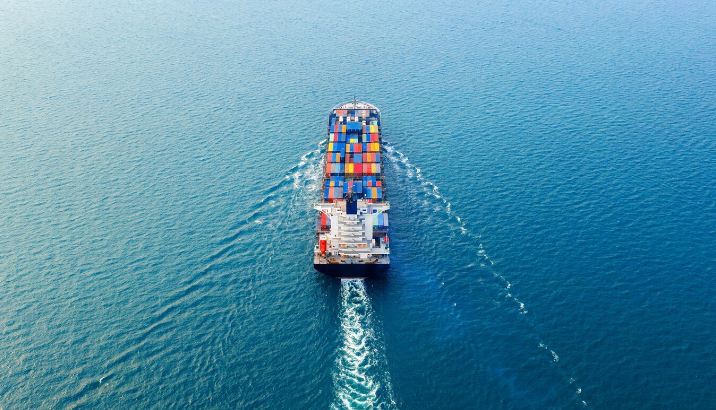
FOB applies only to sea or inland waterway transport. The seller bears all risks and costs until goods are loaded onto the vessel. Post-loading, responsibility shifts to the buyer.
- Buyer: Covers sea freight, insurance, import clearance, and onward transport.
- Buyer confidence: Widely recognized in commodity trading.
- Port congestion risks: Delays at busy ports (e.g., Shanghai or Los Angeles) can disrupt timelines.
- Dealing with buyers who prefer traditional maritime terms.
2. Evaluate Costs: FOB includes port fees; FCA may involve local delivery costs. Factor these into pricing.
3. Consider Transport Mode: Air or courier? FCA. Sea? FOB. Let the method guide your choice.
4. Document Everything: Clearly specify the Incoterm, location, and responsibilities in contracts.
Pro Tip: Use EXW cautiously. A 2022 ICC survey found that 40% of EXW disputes arose from buyers assuming sellers would assist with export tasks.
Understanding the differences between these terms isn’t just about legal jargon—it’s about controlling costs, minimising risks, and building trust with overseas buyers. Let’s break down what each term means, when to use them, and how they impact your bottom line.
1. What Is the Meaning of Incoterms? A Quick Refresher
Incoterms (International Commercial Terms), updated every decade by the International Chamber of Commerce (ICC), define responsibilities between buyers and sellers for shipping goods. They clarify who pays for what, where risks transfer, and who handles tasks like customs clearance. The 2020 revision (the latest as of this writing) emphasizes clarity, with simplified language and updated provisions for modern logistics.For e-commerce sellers, choosing the wrong Incoterm and documents can lead to unexpected fees, shipment delays, or even legal disputes. Let’s dive into the specifics of EXW, FCA, and FOB.
2. EXW (Ex Works): Minimal Seller's Responsibility
Under EXW, the seller’s obligation ends when the goods are made available at their premises (e.g., a warehouse). The buyer arranges and pays for all transportation, including pickup, export clearance, and delivery.Key Responsibilities of EXW
- Seller: Prepares goods, packs them (if agreed), and provides access for pickup.- Buyer: Handles all logistics, export/import paperwork, and costs from the seller’s location onward.
Pros of EXW for E-Commerce Sellers
- Lowest cost and effort: No need to coordinate freight or worry about export processes.- Simplified role: Ideal for sellers with limited logistics experience or resources.
Cons of EXW
- Buyer dependency: If the buyer lacks logistics expertise, delays or errors may occur.- Risk of misunderstandings: Buyers unfamiliar with EXW might expect sellers to assist with export tasks.
When to Use EXW
- Selling to experienced buyers with established shipping networks (e.g., wholesalers).- When operating in a low-margin niche where absorbing logistics costs isn’t feasible.
Real-World Snapshot
A U.S.-based seller of handmade cosmetics uses EXW for bulk orders to European retailers. The retailers arrange their own freight, leveraging consolidated shipping to reduce costs. However, when a first-time buyer in Brazil struggled with export paperwork, the shipment stalled for weeks—highlighting EXW’s reliance on buyer competence.3. FCA (Free Carrier): Balanced Control and Flexibility
The seller delivers goods to a carrier or location (e.g., a port, warehouse, or third-party logistics provider) nominated by the buyer. The seller handles export clearance; the buyer manages onward transport.
Key Responsibilities of FCA
- Seller: Delivers goods to the agreed location, clears exports, and provides proof of delivery.- Buyer: Arranges main transport, covers costs from the delivery point, and handles import clearance.
Pros of FCA for E-Commerce Sellers
- Export control: Managing export paperwork reduces the risk of customs issues.- Flexibility: Works with any transport mode (air, sea, road).
Cons of FCA
- Coordination required: Seller must ensure timely delivery to the carrier.- Costs up to the carrier: Sellers may incur local transport fees to the delivery point.
When to Use FCA
- When buyers prefer to manage main shipping but lack export expertise.- For air freight or multi-modal shipments (common in e-commerce).
Real-World Snapshot
An Australian seller of eco-friendly apparel uses FCA for shipments to Southeast Asia. By delivering goods to a freight forwarder in Sydney and handling export duties, they avoid delays. Buyers then choose cost-effective sea freight without involving the seller in complex logistics.4. FOB (Free On Board): Sea Freight Specific
Key Responsibilities of FOB
- Seller: Delivers goods to the port, clears exports, and loads them onto the ship.- Buyer: Covers sea freight, insurance, import clearance, and onward transport.
Pros of FOB for E-Commerce Sellers
- Clear risk transfer: Liability ends once goods are on the ship.- Buyer confidence: Widely recognized in commodity trading.
Cons of FOB
- Limited applicability: Only suitable for sea shipments.- Port congestion risks: Delays at busy ports (e.g., Shanghai or Los Angeles) can disrupt timelines.
When to Use FOB
- Bulk shipments via sea freight (e.g., furniture, electronics).- Dealing with buyers who prefer traditional maritime terms.
Real-World Snapshot
A Chinese seller of consumer electronics uses FOB for orders to North America. By loading goods at Shenzhen port, they avoid unpredictable ocean freight costs. However, during peak season, container shortages led to loading delays, causing tension with buyers over missed deadlines.5. Comparing EXW, FCA, and FOB: A Side-by-Side Look
Here is a detailed comparison between EXW, FCA, and FOB:Aspect |
EXW | FCA | FOB |
|---|---|---|---|
| Risk Transfer |
At seller's premises | At carrier location | Onboard the vessel |
| Export Clearance | Buyer's responsibility | Seller's responsibility | Seller's responsibility |
| Transport Mode | Any | Any | Sea/inland waterways only |
| Costs for Seller | None beyond production | Local delivery + export fees | Port fees + loading |
| Best For | Experienced buyers | Flexible, multi-modal shipments | High-volume sea freight |
6. How to Choose the Right Term for Your Business
1. Assess Buyer Capabilities: If your buyer has a reliable logistics partner, EXW or FOB might work. For newer buyers, FCA reduces their burden.2. Evaluate Costs: FOB includes port fees; FCA may involve local delivery costs. Factor these into pricing.
3. Consider Transport Mode: Air or courier? FCA. Sea? FOB. Let the method guide your choice.
4. Document Everything: Clearly specify the Incoterm, location, and responsibilities in contracts.
Pro Tip: Use EXW cautiously. A 2022 ICC survey found that 40% of EXW disputes arose from buyers assuming sellers would assist with export tasks.
 Want to know about our services, fees or receive a custom quote?